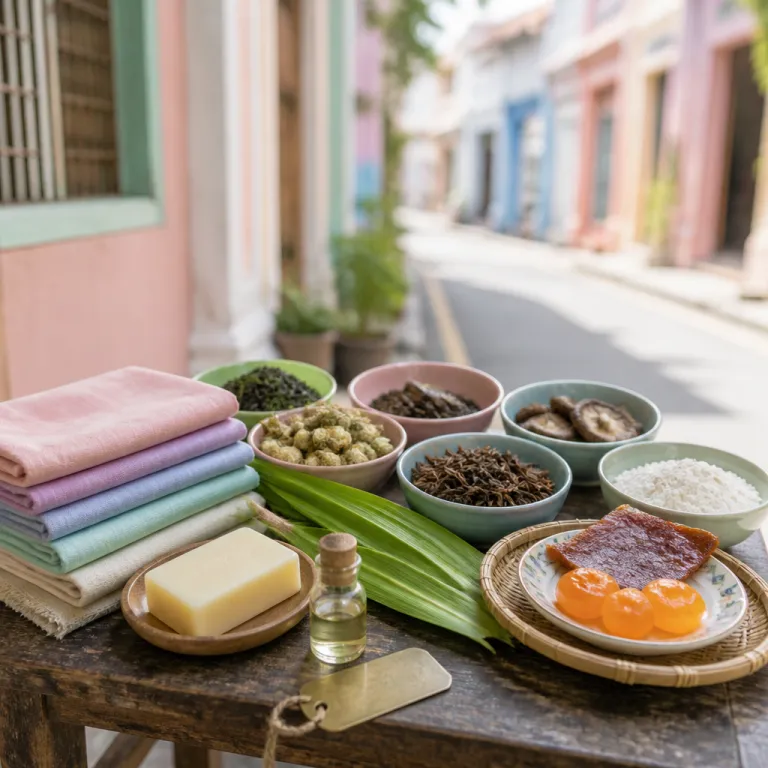
Why a Chinatown Singapore walking tour shapes your hotel choice
Staying near Singapore Chinatown places you inside a living streetscape of shrines, shophouses, and markets. When you plan a refined Chinatown Singapore walking tour, you quickly see how a hotel’s location can frame every temple visit, food stop, and late night stroll. A well chosen address near a Chinatown MRT station or Pagoda Street can turn simple walking into an effortless tour of the city’s layered history.
Many travellers book a room first, then only later explore the heritage streets and temples that define Chinatown historic quarters. Reverse that order and let your preferred walking tour route guide you towards hotels that sit between a relic temple, a hawker centre, and the main MRT lines, because this gives you cultural depth without sacrificing convenience. In practice, mapping your ideal Chinatown walking circuit around Pagoda Street, the Buddha Tooth Relic Temple, and Sri Mariamman Temple will highlight which properties truly belong to the neighbourhood’s heritage story.
The area’s appeal rests on how tightly history, food, and faith are woven together in a compact part of the city. Early immigrants from southern Chinese provinces built clan houses, temples, and trading houses along each narrow street, and their legacy still shapes where you will eat, shop, and sleep. A thoughtfully planned walking tour through Singapore Chinatown lets you test the atmosphere at different times of day, so you can decide whether you prefer a quiet side street near a relic temple or a livelier corner close to Chinatown Complex and its famous food stalls.
Tracing early immigrants and heritage stays around temples and streets
Look closely at any detailed guide to a Chinatown Singapore walking tour and you will notice how often it returns to the same sacred landmarks. The Buddha Tooth Relic Temple on South Bridge Road, with its towering pagoda and ornate relic halls, anchors both the spiritual life of the district and the hotel choices around it. From a guestroom window nearby, you might watch worshippers arrive early for prayers, then later step out on foot to explore the relic temple’s museum and its stories of early immigrants who shaped the city.
Just a short walking distance away stands Sri Mariamman Temple, the oldest Hindu sanctuary in Singapore, whose colourful gopuram rises above the street and signals the district’s multicultural character. Any serious Chinatown walking tour will also include Thian Hock Keng Temple, sometimes called Hock Keng Temple, which once greeted Chinese sailors thankful for safe passage and now sits within reach of both heritage stays and the modern business centre Singapore has become. Choosing a hotel between these temples and the Chinatown MRT station means your daily route can alternate between sacred courtyards, food alleys, and the wider city without long transfers.
For travellers who care about cuisine, staying near Chinatown Complex and the Chinatown Heritage Centre creates a natural rhythm between eating and learning. You can start with an early breakfast at the hawker stalls, join a guided walking tour that explains the history of Chinese clan associations, then return to your room for a rest before an evening visit to Pagoda Street and its lantern lit shops. If you want more detail on how to pair hotel locations with hawker food access across Singapore, you can consult this practical guide to choosing a Singapore hotel near hawker centres and iconic local food at https://www.stay-in-singapore.com/how-to-choose-a-singapore-hotel-near-hawker-centres-and-iconic-local-food.
Planning your Chinatown Singapore walking tour from your hotel lobby
Once you have narrowed your accommodation options, use a Chinatown Singapore walking tour as a final test of location. Stand in the lobby, imagine your first morning, and ask how many minutes of walking separate you from Pagoda Street, the Buddha Tooth Relic Temple, and the nearest MRT station. If you can reach these three points in under ten minutes on foot, your hotel is well placed for both heritage exploration and wider city access.
Most visitors start their Chinatown walking route at Chinatown MRT on the Downtown and North East lines, emerging directly onto Pagoda Street where restored shophouses line the street with cafés, souvenir stalls, and small museums. From here, a self guided tour can loop past the Chinatown Heritage Centre, continue towards the relic temple dedicated to the Buddha Tooth, and then cross over to Sri Mariamman Temple before ending at Chinatown Complex for food. Hotels close to this triangle of temples, markets, and the MRT station give you the freedom to explore at different times of day, from quiet early mornings to the busier evenings when the area glows with lanterns.
Guided options add another layer of insight, especially if you prefer structured storytelling to solo wandering. Local operators such as Monster Day Tours, Easy Nomad, and Indie Singapore run walking tours that highlight Chinatown heritage, explain how early immigrants lived in cramped shophouse quarters, and point out details you might miss alone. Their guides often share practical tips on where to eat, which temples welcome visitors during specific hours, and how to navigate between Singapore Chinatown and other districts using the MRT network.
From Chinatown to Kampong Glam: heritage stays across the city
Travellers who love one Chinatown Singapore walking tour often find themselves drawn to Kampong Glam, another historic quarter shaped by early immigrants and layered faith traditions. While Chinatown centres on Chinese clan houses, relic temples, and streets like Pagoda Street, Kampong Glam revolves around Arab Street, the golden domes of Sultan Mosque, and Malay heritage institutions. Choosing hotels in both areas for a split stay lets you compare how different communities built their own centres within the same compact city.
In practical terms, the MRT makes it easy to move between Singapore Chinatown and Kampong Glam, so you can sleep in one quarter and spend the day walking in the other. A hotel near Chinatown MRT or another central MRT station gives you a direct line to Bugis or Nicoll Highway, from which Kampong Glam’s narrow lanes and heritage shophouses are a short walking distance away. This dual base strategy works especially well for guests who want to balance a temple focused Chinatown walking tour with visits to Malay and Arab heritage sites, while still keeping travel times under thirty minutes door to door.
From an accommodation perspective, both districts offer characterful stays inside conserved buildings that echo the city’s history. In Chinatown, many properties occupy former shophouses near the Buddha Tooth Relic Temple, Thian Hock Keng Temple, and Sri Mariamman Temple, while in Kampong Glam you will find similar conversions near Arab Street and Haji Lane. By pairing these heritage stays with guided walking tours in each quarter, you gain a fuller sense of how Singapore’s early immigrants turned separate enclaves into a connected, modern centre Singapore visitors now experience.
Food, streets, and night walks: living the neighbourhood after dark
Where you sleep in Singapore Chinatown will shape how you experience the district’s food and nightlife. A hotel close to Chinatown Complex or the side streets off Pagoda Street lets you step out for late night snacks, then return on foot without worrying about taxis or long MRT rides. This proximity matters when you want to join an evening Chinatown Singapore walking tour that lingers over hawker stalls, dessert shops, and the illuminated pagoda roofs of the Buddha Tooth Relic Temple.
As darkness falls, the same streets that hosted early immigrants now fill with both locals and visitors sharing tables of Chinese dishes, from claypot rice to herbal soups. A well designed walking tour at this hour might start at the Chinatown Heritage Centre, continue through the food alleys behind Smith Street, and then pause at a relic temple courtyard where incense smoke curls into the night air. Hotels that front quieter lanes still keep you close to this energy while offering a calm retreat, especially if they sit one or two blocks away from the busiest street corners.
Guests who enjoy photography will appreciate how the city’s lighting transforms temples and shophouses into dramatic subjects. The pagoda tiers of the relic temple dedicated to the Buddha Tooth glow against the skyline, while Sri Mariamman Temple’s statues stand out sharply under spotlights. From your base in Singapore Chinatown, you can take a slow Chinatown walking loop after dinner, capturing both grand temples and small details like lanterns, carved doorways, and the worn stone steps that hint at Chinatown historic decades.
Practical tips: matching your hotel to your Chinatown walking plans
When comparing hotels, start by plotting your ideal Chinatown Singapore walking tour on a map and then overlaying potential properties. Prioritise locations within a short walking distance of Chinatown MRT, Pagoda Street, and at least one major temple such as the Buddha Tooth Relic Temple or Sri Mariamman Temple. This simple exercise often reveals that a slightly smaller room in a better located property can deliver a richer heritage experience than a larger room further from the historic streets.
Next, consider how you plan to move beyond Singapore Chinatown to other parts of the city, such as Orchard Road or Marina Bay. If shopping is a priority, you may want to split your stay between a heritage address near Chinatown historic lanes and a modern hotel near Orchard Road, using a resource like this Orchard Road shopping and hotel selection guide at https://www.stay-in-singapore.com/orchard-road-shopping-guide-singapore-how-to-choose-the-right-hotel to refine your second base. In both cases, proximity to an MRT station remains crucial, because it keeps travel times short and allows you to return easily for an afternoon rest before another evening walking tour.
Finally, think about whether you prefer self guided exploration or a structured walking tour with commentary. Operators such as Monster Day Tours, Easy Nomad, and Indie Singapore specialise in Chinatown walking experiences that highlight Chinatown heritage, explain the role of Thian Hock Keng Temple and other keng temple sites, and connect the stories of early immigrants to present day life. Their advice on timing, crowd patterns, and temple etiquette can help you choose check in and check out dates that align with the calmest periods for visiting key sites, ensuring your stay in centre Singapore feels both efficient and deeply rooted in local history.
Key figures for planning a Chinatown Singapore walking tour stay
- Average guided walking tour duration in Chinatown is about 2.5 hours, which fits comfortably between hotel check in and an early dinner at Chinatown Complex or nearby food streets (source: Monster Day Tours).
- Typical guided routes include around six major stops, often combining temples, markets, and heritage centre visits, so choosing a hotel near at least two of these stops reduces backtracking during your stay (source: Monster Day Tours).
- Operators in Singapore report both free and paid tour formats, meaning guests can allocate more of their budget to a heritage style hotel while still accessing high quality commentary on Chinatown heritage (source: Monster Day Tours, Easy Nomad, Indie Singapore).
- Morning and afternoon sessions are common for Chinatown walking tours, giving flexibility for guests who prefer to explore temples in cooler hours and reserve evenings for food focused strolls through Singapore Chinatown streets (source: Monster Day Tours).
FAQ: staying near Chinatown for walking tours
Are the Chinatown walking tours free, or should I budget a fee ?
Some guided options in Singapore Chinatown are free to join, while others charge a fixed fee depending on the route length and inclusions. Operators such as Monster Day Tours, Easy Nomad, and Indie Singapore each publish clear pricing on their websites, so you can match a tour to your budget before booking a nearby hotel. Remember to factor in tips or donations at temples if you plan to enter several sacred sites during your walking tour.
Do I need to book my Chinatown Singapore walking tour in advance ?
Prior booking is strongly recommended, especially during peak travel seasons and public holidays when demand for Chinatown walking experiences rises. Many operators cap group sizes to keep the guide’s commentary audible on busy streets and inside heritage centre exhibits. Reserving early also lets you coordinate tour times with your hotel check in and check out schedule.
Are Chinatown walking tours suitable for children staying in the area ?
Most Chinatown Singapore walking tour itineraries are child friendly, with frequent stops at temples, markets, and food stalls that break up the walking time. Guides are used to explaining Chinatown heritage and the stories of early immigrants in simple language that younger guests can follow. Families should still bring water, hats, and comfortable shoes, as the city’s heat and humidity can be intense.
What should I wear for a temple focused walking tour from my hotel ?
Light, breathable clothing and comfortable walking shoes are essential for exploring Singapore Chinatown on foot. When visiting a relic temple, the Buddha Tooth Relic Temple, Sri Mariamman Temple, or Thian Hock Keng Temple, choose outfits that cover shoulders and knees out of respect for local customs. Many hotels near Chinatown MRT can provide umbrellas or small towels, which help with both sudden rain and the city’s humidity.
How can I combine Chinatown with other districts during my stay ?
Thanks to the MRT network, it is easy to pair a heritage stay in Singapore Chinatown with nights in areas like Orchard Road or Marina Bay. A hotel near Chinatown MRT or another central MRT station allows you to join a morning Chinatown Singapore walking tour, then travel quickly to shopping or waterfront districts in the afternoon. This approach gives you both the intimacy of temple lined streets and the broader city experience many travellers seek.