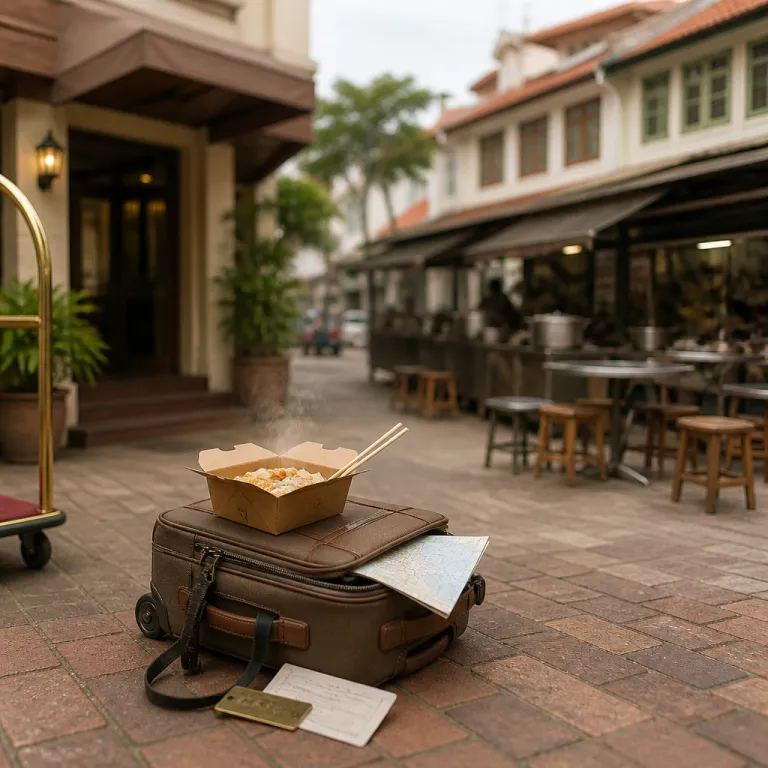
Why famous food in Singapore hawker culture matters when choosing your hotel
When you plan a stay in Singapore, the famous food in Singapore hawker culture should shape where you sleep as much as where you sightsee. Hawker food is not just casual food; it is a UNESCO-recognised expression of everyday life, and choosing a hotel near a major hawker centre lets you taste that culture between meetings or after a long flight. For travellers comparing properties, proximity to authentic Singapore food and efficient access to an MRT station can be as valuable as a rooftop pool.
Across Singapore there are 114 hawker centres, and each hawker center gathers dozens of individual hawker stalls under one roof, which means a single short walk from your lobby can unlock an entire tasting menu of local dishes. These hawker centers are where you will find the most famous food in Singapore hawker traditions, from silky chicken rice to smoky char kway teow and peppery bak kut teh, all at an average of about 5 SGD per dish, according to recent figures from the National Environment Agency and the Singapore Department of Statistics. If you choose a hotel in the Central Region near a major food centre, you can plan your days around both sightseeing and meals without long detours or expensive taxis.
For a first visit, staying near Maxwell Food Centre, Hong Lim Market and Food Centre, or the Katong area gives you immediate access to some of the best hawker food in the city. These areas combine dense clusters of hawker stalls with easy MRT station connections, so you can move between attractions and your preferred hawker centre in minutes. When you evaluate hotel locations on a map, look not only for landmarks but also for the nearest food centre, because that is where the real Singapore food memories will be made.
Staying near Maxwell Food Centre for iconic chicken rice and more
Maxwell Food Centre in Chinatown is one of the most convenient places to experience famous food in Singapore hawker culture while staying in a central hotel. Within this single food centre you can try Hainanese chicken rice, fried carrot cake, char kway teow noodles, and kaya toast for breakfast, all before you walk back to your room for a rest. Hotels around Tanjong Pagar, Chinatown and the Downtown Core place you within about 500 metres of this hawker centre and within easy reach of several MRT station options, including Tanjong Pagar MRT and Chinatown MRT, which are roughly a 6 to 10 minute walk away depending on your hotel.
Tian Tian Hainanese Chicken Rice at Stall 10 is the headline hawker stall here, and its chicken rice is often cited as one of the best dishes in Singapore. The stall serves tender poached chicken over fragrant rice with a bright chilli sauce and a light soy-based sauce, and many travellers plan their day around joining the queue at off-peak hours, typically mid-morning or mid-afternoon. Around Tian Tian you will find other hawker stalls selling pork satay, fried fish dishes, char kway teow, and even lighter Singapore food such as clear soups and vegetable dishes, so everyone in your group can choose a different dish while sharing one table.
When you book a nearby hotel, ask for walking directions to Maxwell Food Centre and check whether the route is shaded, because the mid-day heat can make even a short walk feel longer. Many properties in this part of Singapore, such as business hotels along Anson Road or boutique stays near Telok Ayer, offer early check-in or luggage storage, which lets you head straight to the hawker center for lunch while your room is prepared. Typical opening hours at Maxwell run from around 8:00 a.m. to 10:00 p.m., though individual hawker stalls vary, and if you arrive late at night you will still find several stalls open, serving noodles, mee dishes and grilled satay, which makes this area ideal for travellers landing after a long-haul flight.
Choosing a hotel near Hong Lim and other central hawker centres
Travellers who want to explore famous food in Singapore hawker traditions beyond Maxwell often choose hotels near Hong Lim Market and Food Centre. This food centre sits between Chinatown and Clarke Quay, and it is especially known for Outram Park Fried Kway Teow Mee, a hawker stall that draws long lines for its char kway teow dish. The noodles here are fried over high heat to develop intense wok hei, then tossed with egg, fish cake, pork lard and a savoury sauce that clings to every strand, and queues can stretch 15 to 30 minutes during weekday lunch.
Staying near Hong Lim Food Centre also places you close to several other hawker centres, including Amoy Street Food Centre and Chinatown Complex, which means you can sample multiple versions of the same hawker food during a single stay. One evening you might compare hokkien mee at one stall with hokkien mee at another, while another day you could taste different bak kut teh soups, noticing how each stall balances the pepper and herbal notes in the broth. This cluster of hawker centers gives you a deep view into food Singapore culture, and it rewards travellers who enjoy walking between meals and riverside bars, with most walks between these hawker centres taking about 8 to 12 minutes at a relaxed pace.
When evaluating hotels in this district, look for properties within a ten minute walk of both an MRT station and at least one major hawker centre, because that combination keeps your transport costs low while maximising your access to Singapore food. Many mid-range hotels here offer compact rooms but excellent locations, which suits travellers who plan to spend more time at hawker stalls than at hotel restaurants. If you are sensitive to noise, request a higher floor or a room facing away from the main roads, then use the quiet space to plan which hawker stall and which dish you will try next.
Katong, East Coast and planning stays around laksa, nasi lemak and crab
The eastern neighbourhoods of Katong and Joo Chiat appeal to travellers who want famous food in Singapore hawker culture without the intensity of the Central Business District. Here, 328 Katong Laksa has become a landmark hawker stall, serving a rich coconut-based laksa dish with rice noodles cut short so you can eat them easily with a spoon. Hotels and guesthouses along East Coast Road and Marine Parade Road place you within walking distance of this stall, several other food centre options and the breezy East Coast Park, with most walks to the beach taking around 15 to 20 minutes.
In this part of Singapore you can start your day with kaya toast and soft-boiled eggs at a traditional coffee stall, then move on to nasi lemak wrapped in banana leaf, followed by grilled satay and chilli crab at night. Many hawker stalls here specialise in seafood, so you will see displays of live fish, crab and prawns, and you can choose how you want each dish cooked, whether stir-fried with black pepper sauce or steamed with ginger. The area also offers excellent carrot cake, which in Singapore refers to a savoury fried radish cake dish, often served with a dark sweet sauce and sometimes with extra egg for a crisp char on the surface.
Because this district is not directly on an MRT station line, hotel guests often rely on buses or short taxi rides to reach other hawker centres, so it suits travellers who prefer a slower pace and do not mind planning routes. When you compare hotels here, consider whether you value being able to walk to the beach and local hawker food more than having a train station at your doorstep. For many repeat visitors, the combination of sea breeze, heritage shophouses and easy access to famous food in Singapore hawker stalls makes Katong one of the best areas for a longer stay.
Signature hawker dishes to prioritise during your hotel stay
Once you have chosen a hotel near a strong cluster of hawker centres, the next step is deciding which famous food in Singapore hawker dishes deserve your limited meals. Hainanese chicken rice should be at the top of your list, because it is often described as Singapore's national dish and appears in almost every food centre. You will find variations at many hawker stalls, but the best versions pair tender chicken with aromatic rice, a clear soup and three sauces, including chilli, ginger and dark soy.
Beyond chicken rice, make time for char kway teow, hokkien mee, bak kut teh and nasi lemak, because these dishes show different sides of food Singapore culture. Char kway teow combines flat rice noodles and yellow mee noodles fried with egg, Chinese sausage, fish cake and sometimes cockles, while hokkien mee mixes thick noodles and bee hoon in a rich seafood stock with prawns and squid. Bak kut teh is a pork rib soup that can be either peppery Teochew style or more herbal, and nasi lemak offers coconut rice with fried fish, sambal, peanuts and egg, so together these dishes cover soup, noodles and rice in one trip.
Do not overlook breakfast and snacks, because kaya toast, kopi and soft-boiled eggs at a hawker center coffee stall give you a gentle start to the day. Later, you can graze on satay skewers of chicken, beef or pork, dipped in a peanut sauce, or share plates of fried carrot cake and oyster omelette while you plan your next sightseeing stop. By structuring your days around these hawker food experiences, you turn your hotel stay into a curated tasting tour of Singapore food rather than a simple series of restaurant reservations.
Practical strategies for combining hotel comfort with hawker exploration
To make the most of famous food in Singapore hawker culture, align your hotel routines with local eating patterns. Hawker centres are busiest during lunch and dinner peaks, so visiting from mid-morning to early afternoon or later in the evening lets you enjoy the best dishes with shorter queues. Practical tips from local diners apply directly here: visit during off-peak hours to avoid long queues, carry cash as some stalls may not accept cards, and be prepared to share tables during busy times, especially at popular food centres in the Central Region.
When you check in, ask the front desk for a printed map of nearby hawker centres and the fastest walking route to each food centre, then mark which hawker stalls you want to try first. Many hotels now provide QR codes linking to online reviews, which helps you compare different versions of the same dish, such as chicken rice, char kway teow or bak kut teh, before you leave your room. If you are travelling with family, consider booking a hotel with a small fridge, because leftovers from generous hawker food portions can become a late-night snack after you return from an MRT station ride.
Health-conscious travellers can enjoy hawker food while still feeling comfortable, by alternating richer fried dishes with lighter soups, steamed fish and vegetable sides. Singapore's strict hygiene regulations mean that hawker centres maintain high food safety standards, so you can focus on choosing the best flavour rather than worrying about cleanliness. With thoughtful planning, your hotel becomes a quiet base between forays into the vibrant, noisy, fragrant world of hawker centres, where the most memorable Singapore food experiences await just a few minutes from your door.
Key figures for planning hawker focused stays in Singapore
- Singapore currently operates 114 hawker centres across the island, which means most central hotels are within a short ride or walk of at least one major food centre, according to the National Environment Agency (NEA) figures published in 2023.
- The average cost of a full hawker meal is about 5 SGD, based on data from the Singapore Department of Statistics and recent household expenditure surveys, making hawker food one of the best value options compared with hotel restaurants or shopping mall outlets.
- Central hawker centres such as Maxwell Food Centre and Hong Lim Market typically host dozens of hawker stalls each, so a single visit can expose you to more than 30 different dishes ranging from chicken rice to fried noodles and satay.
- Many popular hawker centres sit within 300 to 600 metres of at least one MRT station, which allows hotel guests to combine train travel with short walks, reducing both travel time and transport costs during a stay, especially in areas like Chinatown, Bugis and the Downtown Core.
FAQ about hotels and famous food in Singapore hawker culture
What is the most famous hawker dish in Singapore near central hotels ?
Hainanese chicken rice is widely regarded as the most famous hawker dish in Singapore, and guests staying near Maxwell Food Centre or other central hawker centres can try several versions within a short walk or MRT station ride from their hotel.
Are hawker centres in Singapore expensive compared with hotel restaurants ?
No, hawker centres in Singapore are generally very affordable, with an average meal costing around 5 SGD, which is significantly lower than most hotel restaurant prices while still offering some of the best dishes in the city.
Is it safe to eat hawker food when you are on a business trip ?
Yes, hawker centres in Singapore are regulated for hygiene and food safety, so business travellers can confidently eat at hawker stalls between meetings without worrying about food standards, especially when they choose busy stalls with high turnover.
Which hotel areas are best for accessing multiple hawker centres on foot ?
Staying in Chinatown, Tanjong Pagar, Bugis or the Downtown Core places you within walking distance of several hawker centres, including Maxwell Food Centre, Hong Lim Market and Amoy Street Food Centre, giving you easy access to a wide range of Singapore food.
How can I fit hawker visits into a tight sightseeing schedule ?
Choose a hotel near both an MRT station and at least one major hawker centre, then plan to eat breakfast or a late dinner at the food centre, using midday hours for attractions, which lets you enjoy famous food in Singapore hawker culture without losing sightseeing time.