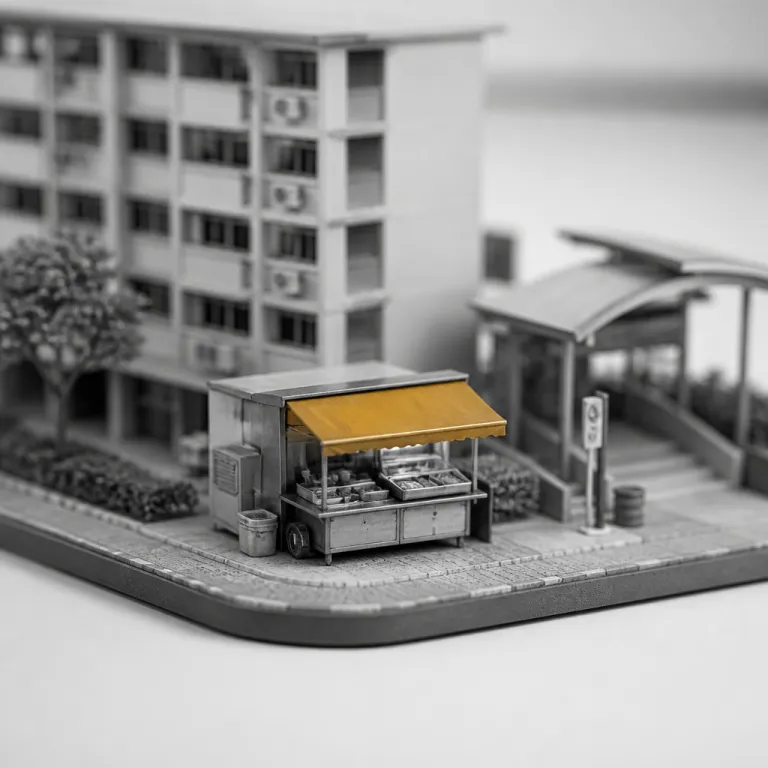
Choosing the right area in Singapore for a smart budget stay
Singapore rewards travellers who match their hotel location to their plans. In a compact city where public transport is excellent, the right neighbourhood will cut both daily costs and travel time. When you start comparing areas, think about how you will balance a tight budget with quick access to the MRT and the places you most want to visit.
Little India, Chinatown and Geylang are consistently among the best districts for a Singapore budget stay. These areas sit close to the city centre yet still offer low cost rooms, easy public transport links and an intense concentration of local food that keeps your overall cost of eating down. When visiting Singapore for the first time, staying in one of these quarters will give you fast MRT access to Marina Bay, Gardens by the Bay and the main shopping belt without paying central business district prices.
Chinatown places you within walking distance of a major food centre, several hawker centers and the historic streets that many travellers list among their favourite things Singapore does well. Little India surrounds you with colourful temples, budget friendly eateries and convenience stores that help you manage daily costs such as snacks, drinks and basic toiletries. Geylang, while more residential, offers some of the lowest room rates in the city and quick bus connections into the centre, which suits travellers who prioritise price over nightlife or luxury amenities.
When you compare hotels, focus on the walking distance to the nearest MRT station rather than just the headline room rate. A property that is 300 metres from an MRT line will usually save you more time and money than a slightly cheaper option that requires multiple buses. For a deeper look at how neighbourhood choice shapes your itinerary and access to tourist highlights, study this guide on how your hotel location shapes your Singapore tourist attractions list before you book.
Hidden heartland getaways near affordable hotels
Many visitors assume the best experiences in Singapore cluster only around Marina Bay and the downtown core. In reality, some of the most atmospheric and free things Singapore offers hide in the heartlands, a short MRT ride from budget friendly hotels. If you choose your base carefully, you can step out of your lobby and reach quiet parks, local food streets and unexpected street art in minutes.
From Chinatown, walk beyond the main tourist lanes and you will find residential blocks where families eat at small hawker centers that rarely appear in any advertisement. These food centre spaces serve generous plates of rice, noodles and local dishes for around 5 SGD, which aligns closely with the typical hawker meal cost reported by SmartTravelly in early 2024 and is broadly in line with price ranges mentioned by the Singapore Tourism Board for casual dining. Staying near such a food centre means your daily costs for breakfast and dinner will remain low, leaving more of your Singapore budget for attractions such as Gardens by the Bay or a Singapore Sling at a historic bar.
Little India offers similar hidden getaways, especially in the quieter streets behind the main arcade where temples, spice shops and family run eateries sit side by side. You can spend time wandering these lanes for free, then pause at a hawker stall for a plate of food that costs less than many convenience stores snacks in other parts of Southeast Asia. When you are visiting Singapore during a festival period, these heartland streets become open air stages, yet the cost of enjoying the atmosphere remains delightfully low.
Travellers based near Kallang or Paya Lebar MRT stations can reach the riverside park connectors within a short walk, creating a calm green escape without paying for organised tours. These paths link back towards the city centre and eventually to the Bay Sands and Marina Bay waterfront, giving you a scenic, free way to explore. Choosing a hotel close to such hidden getaways will transform your perception of the city and keep your Singapore on a budget tips strategy firmly on track.
Mastering public transport to cut costs without losing comfort
Efficient public transport is the backbone of any serious Singapore on a budget tips plan. The MRT network is clean, safe and extensive, while buses fill the gaps between stations and residential pockets. For most visitors, an EZ Link card or similar stored value pass will keep the cost of each trip predictable and low.
According to SmartTravelly’s 2024 estimates, a typical public transport fare starts around 1.5 SGD, which makes the MRT far cheaper than taxis for crossing the city. This figure is consistent with the Land Transport Authority’s published distance based fares for adults using stored value cards. When you stay near a station, you can reach Changi Airport, Marina Bay, Gardens by the Bay and the Botanic Gardens without ever needing a car. This approach keeps daily costs under control and frees more of your Singapore budget for food, attractions and perhaps a Singapore Sling at a classic hotel bar.
Use the MRT for long hops between districts, then rely on short walks to explore each neighbourhood in depth. In Chinatown, for example, you can exit the station and reach a major food centre, several hawker centers and key temples within ten minutes on foot. Around Bugis and Kampong Glam, the MRT places you close to Haji Lane, where street art, cafés and small shops line a compact grid of streets that reward slow exploration.
Public buses complement the MRT by reaching heartland areas where hidden gardens, local markets and residential food streets sit away from the main tourist map. When you are visiting Singapore for several days, consider a multi day public transport pass if your itinerary includes multiple cross city journeys. The combination of MRT, buses and walkable districts means the city will feel smaller, your time will be used efficiently and your overall cost of getting around will remain comfortably low.
Eating well for less at hawker centers and food courts
Food is where Singapore truly shines for budget travellers who value flavour over formality. The city’s hawker centers and every neighbourhood food centre offer some of the best value meals in Southeast Asia. When you plan your Singapore on a budget tips strategy, anchoring your days around these venues will keep both your palate and your wallet happy.
SmartTravelly notes that a typical hawker meal costs around 5 SGD as of 2024, which is remarkably low for a city with such a high overall cost of living. This range matches the ballpark figures often cited by local tourism resources for basic dishes like chicken rice or noodle soups. In practical terms, this means you can enjoy three hot meals a day for less than the price of a single restaurant main course in many other global cities. Look for large, well known hawker centers near MRT stations, then branch out to smaller food centre options in the heartlands once you feel comfortable ordering.
Chinatown Complex, Maxwell Food Centre and Tekka Centre in Little India are classic examples where variety, quality and price align beautifully. Each stall specialises in a narrow range of dishes, from Hainanese chicken rice to South Indian thali, which keeps standards high and service fast. Because these venues are public spaces rather than private restaurants, you can sit where you like, share plates and linger without pressure, which suits travellers managing a tight Singapore budget.
Beyond the famous names, explore the food courts attached to MRT interchanges and residential malls, where local office workers eat every day. These spots rarely receive much advertisement, yet they often serve excellent food at slightly lower prices than the most touristy hawker centers. Combine these meals with free tap water, snacks from convenience stores and the occasional splurge on a Singapore Sling, and your daily costs for eating and drinking will remain impressively low.
Free and low cost attractions near popular hotel districts
Singapore offers a surprising number of free attractions that sit close to areas where budget hotels cluster. This combination allows you to fill your days with memorable experiences without constantly checking your wallet. When you align your accommodation choice with these sights, your Singapore on a budget tips plan becomes much easier to execute.
Gardens by the Bay is the headline example, as the outdoor gardens and Supertree Grove are free to enter, while only the conservatories carry an admission fee. You can walk from Marina Bay to the gardens in around fifteen minutes, enjoying skyline views and public art along the way. Travellers staying near the city centre can time their visit for late afternoon, then watch the Supertree light show at night without paying anything beyond the MRT fare.
The Singapore Botanic Gardens, a UNESCO listed green space, is another major free attraction that rewards repeat visits. Many hotels along Orchard Road and in the Newton area sit a short MRT ride or bus journey away, making early morning walks or evening picnics easy to fit into your schedule. These gardens offer shaded paths, lakes and lawns where you can rest between more intense sightseeing, which is invaluable when visiting Singapore in the humid season.
In Kampong Glam, Haji Lane and the surrounding streets form an open air gallery of street art, independent shops and cafés. Wandering these lanes costs nothing, and many travellers combine this with a visit to nearby Sultan Mosque and the Malay Heritage Centre courtyard. When you add in waterfront strolls around Marina Bay Sands, the free light shows and the lively streets of Chinatown at night, you will realise that many of the best things Singapore offers do not require paid tickets at all.
Planning your stay from arrival at Changi Airport to nightly routines
Thoughtful planning from the moment you land at Changi Airport will shape how far your Singapore budget stretches. The airport connects directly to the MRT network, which means you can reach most central districts without using a taxi. If your flight arrives during MRT operating hours, this route will usually be the most cost effective and predictable option.
SmartTravelly’s guidance for budget travellers, updated for 2024, emphasises several core habits that align perfectly with a hotel based stay. Their tips include booking flights early to secure better fares, choosing hostels or capsule hotels when you value price over space, relying on public transport instead of taxis, eating at hawker centers for cheap meals, prioritising free attractions such as Gardens by the Bay’s outdoor areas, drinking tap water to avoid buying bottled drinks, avoiding very late night arrivals that limit transport choices, exploring neighbourhoods like Little India and Chinatown on foot, using travel passes for unlimited rides and seeking out free events and festivals. When you weave these habits into your own itinerary, the city will feel more accessible and less intimidating from a financial perspective.
Once you have checked into your hotel, establish simple routines that keep daily costs under control without feeling restrictive. Use nearby convenience stores for water, fruit and small snacks, then rely on hawker centers or a local food centre for main meals, which keeps your food budget predictable. In the evenings, choose one or two paid experiences, such as a rooftop drink overlooking Marina Bay or a classic Singapore Sling, and balance them with free walks through gardens, waterfront promenades or lively street markets.
As you prepare to visit Singapore, remember that the city rewards those who plan but also those who stay flexible. Leave space in your schedule for unplanned detours into quiet gardens, residential streets or unexpected street art alleys that you notice from the MRT window. With the right mix of structure and spontaneity, your time in this city will feel rich, your hotel will serve as a comfortable base and your overall cost will remain firmly within your chosen budget.
Key figures for budget conscious hotel guests in Singapore
- Average hostel price per night in Singapore is around 30 SGD according to SmartTravelly’s 2024 overview, which makes shared accommodation a strong option for solo travellers who prioritise location over privacy. This ballpark figure is similar to ranges quoted by major booking platforms for centrally located dorm beds.
- A typical hawker meal costs about 5 SGD based on SmartTravelly data from 2024, allowing a traveller to eat three substantial meals for roughly 15 SGD per day if they rely mainly on hawker centers and food courts.
- Public transport fares start near 1.5 SGD per journey as reported by SmartTravelly in 2024, which means that even with four to six MRT or bus rides a day, your total transport cost usually stays below the price of a single short taxi ride in many other global cities.
FAQ : practical questions about Singapore on a budget tips
Is Singapore expensive for tourists who stay in hotels ?
Singapore has a reputation for high prices, yet careful planning keeps costs manageable even for hotel guests. By choosing areas such as Little India, Chinatown or Geylang and relying on public transport, many travellers keep accommodation and transport within a moderate budget. Using hawker centers for most meals further reduces daily expenses without sacrificing quality.
What are the cheapest areas to stay in Singapore near the MRT ?
Little India, Chinatown and Geylang consistently offer some of the lowest room rates with good MRT access. These districts sit close to the city centre, which shortens travel time to Marina Bay, Gardens by the Bay and the main shopping areas. Their dense networks of food courts, markets and convenience stores also help keep daily costs under control.
Are there free attractions near popular hotel districts ?
Yes, several major attractions cost nothing to enter and lie close to areas where many visitors stay. The outdoor sections of Gardens by the Bay, the Singapore Botanic Gardens, Haji Lane and the waterfront promenades around Marina Bay are all free. Many temples and cultural sites in Chinatown and Little India also welcome visitors without an admission fee.
How much should I budget per day for food and transport ?
Travellers who rely mainly on hawker centers and public transport often manage with around 25 to 30 SGD per day for these two categories combined. This estimate assumes three hawker meals and several MRT or bus rides, based on SmartTravelly’s typical 2024 price data and broadly consistent with fare and food ranges mentioned by official tourism sources. Any additional spending on cafés, bars or speciality restaurants will sit on top of that baseline.
When is the best time to book flights and hotels for lower prices ?
Booking flights around two to three months in advance usually yields better fares for most routes into Singapore. Hotels in budget friendly districts tend to fill quickly during major events and school holidays, so early reservations help secure both lower rates and better locations. Whenever possible, aim for weekday arrivals and departures to avoid peak weekend demand.