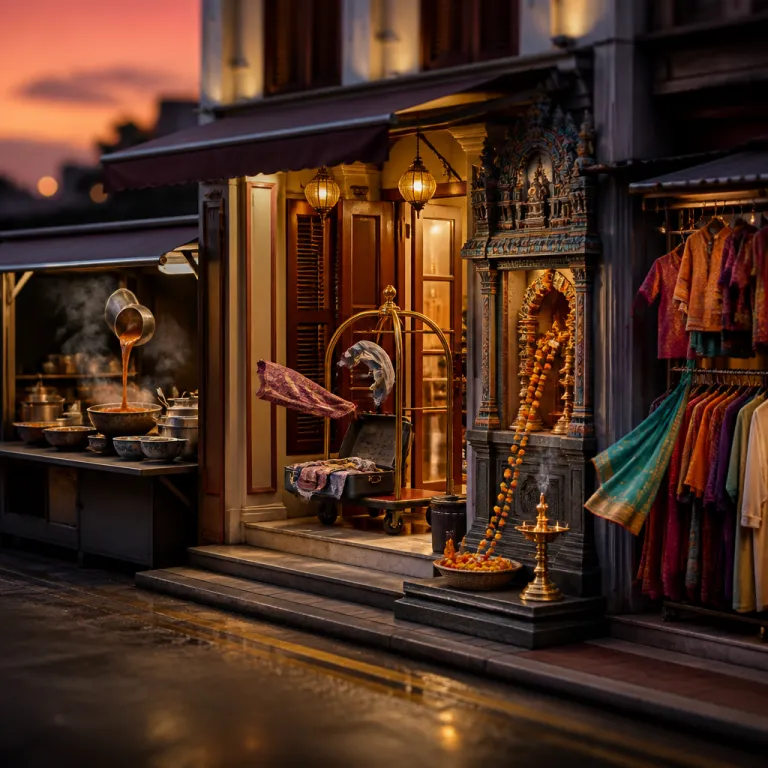
Why Little India matters when choosing your Singapore hotel base
Little India in Singapore is not just a colourful district, it is a strategic base that shapes how easily you reach the city’s major sights in a single day. When you compare different areas of Singapore for your stay, the mix of transport links, Indian food options, and late night shopping in Little India often gives better value than more corporate neighbourhoods. For travellers weighing what to do in Little India Singapore against Marina Bay or Orchard, the balance of culture, price, and convenience around Serangoon Road can be compelling.
From most hotels near Little India you can walk to Serangoon Road in minutes, then branch into side street lanes that lead to Tekka Centre, Little India Arcade, and the Indian Heritage Centre without needing taxis. This compact layout means you can visit little temples, markets, and shops between meetings or sightseeing, which is ideal if you are in Singapore for a short stay. When you plan India–Singapore itineraries, staying close to this road grid reduces travel time and keeps your schedule flexible.
Public transport is another reason hotel guests favour this area, because two MRT lines intersect at Little India station on the North East Line (NE7) and Downtown Line (DT12), with Rochor station (DT13) on the Downtown Line and Farrer Park (NE8) on the North East Line nearby. From these stations you reach Changi Airport, the Central Business District, and Sentosa with only one change, which is rare in such a heritage quarter. Typical journeys from Little India to Marina Bay or Chinatown take around 15–20 minutes by train, and if you prefer to walk, the flat terrain and shaded arcades along each street make casual exploration of Little India comfortable even in the heat.
Temples, colour, and heritage streets around your hotel
Many travellers choose a hotel near Little India because they want to wake up and step straight into living Indian heritage rather than a generic mall landscape. The most striking image you will see on Serangoon Road is often the gopuram, or tower, of Sri Veeramakaliamman Temple, which anchors the neighbourhood visually and spiritually. When you list cultural things to do in Little India Singapore for a morning walk, this temple and its neighbours should sit at the top.
Walk north along Serangoon Road for about 8–10 minutes and you will soon reach the historic Sri Srinivasa Perumal Temple, sometimes called Perumal Temple, which showcases South Indian architecture in intricate detail. These temples are active places of worship, so dress modestly, remove shoes, and move quietly as you visit little shrines inside, especially during festival days. The presence of both Sri Veeramakaliamman and the Srinivasa Perumal complex within a short distance gives hotel guests a rare chance to compare different South Indian styles without leaving central Singapore.
Side streets hold more visual surprises, including the vividly painted House of Tan Teng Niah, often shortened to House Tan Teng Niah by locals. This former residence stands near Little India Arcade and creates a memorable image for your travel photos, especially in the late afternoon light. Around it, restored shophouses and the Indian Heritage Centre form a compact heritage cluster that turns an ordinary walk from your hotel into an architectural lesson.
Markets, Tekka Centre, and the rhythm of daily life
For many guests, the most atmospheric of all Little India Singapore attractions is a slow circuit through Tekka Centre and the surrounding markets. This multi level complex combines Tekka Market on the ground floor with a hawker food centre and clothing stalls above, so you can watch daily life unfold across several layers. Staying in a nearby hotel lets you visit little corners of the market at different times of day, from the early fish auctions to late breakfasts.
Inside Tekka Market you will find stalls selling spices from India, fresh vegetables, and halal meats, which together create a powerful aroma that defines this part of Singapore. The hawker section above is one of the best places to sample Indian food, from South Indian dosa to rich biryani, often served on a banana leaf for a traditional touch. Because Tekka Centre sits beside Little India MRT station, it also works as a convenient meeting point if your travel companions are staying in other parts of Singapore.
Beyond Tekka Centre, smaller wet markets and provision shops line Buffalo Road and neighbouring lanes, giving you a more intimate look at India–Singapore trade networks. These shops sell everything from jasmine garlands to stainless steel kitchenware, and they stay busy well into the evening. If you enjoy photography, the changing light on the produce, the people, and the street textures will give you a different image every hour of the day.
Shopping late into the night at Mustafa Centre and Little India Arcade
One of the most practical Little India Singapore activities for hotel guests is late night shopping at Mustafa Centre. This 24 hour complex on Syed Alwi Road stocks electronics, luggage, jewellery, and groceries, which makes it ideal if you land in Singapore on a late flight. Because many hotels cluster within walking distance, you can visit Mustafa after dinner, compare prices calmly, and return to your room without worrying about transport.
Mustafa Centre is especially useful for families, as you can buy extra clothing, adaptors, or snacks at almost any hour of the day or night. The layout can feel dense, but that density is part of the India–Singapore retail experience, with narrow aisles and shelves stacked to the ceiling. When you stay nearby, you can break your shopping into shorter visits rather than rushing through everything in one exhausting session.
Closer to Serangoon Road, Little India Arcade offers a different kind of shopping, focused on traditional crafts, textiles, and souvenirs. This heritage style arcade sits near the Indian Heritage Centre and the House Tan Teng Niah landmark, so you can combine cultural visits with browsing for gifts. Between Mustafa, the arcade, and the many independent shops along each street, hotel guests rarely need to travel elsewhere for everyday purchases.
Eating well in Little India: from banana leaf meals to street snacks
Food is central to any list of things to do in Little India Singapore, especially if you appreciate layered spices and regional diversity. Around Serangoon Road and Race Course Road you will find both North and South Indian restaurants, many of which specialise in banana leaf meals served with rice, curries, and pickles. Staying in a nearby hotel means you can return to your favourite Indian food stalls across several days, trying different combinations without repeating a dish.
Tekka Centre remains a cornerstone for casual dining, where hawker stalls prepare dosas, thosai, and biryani that rival more formal restaurants at a fraction of the price. In the evenings, street side eateries along Dunlop Street and Upper Dickson Road fill with locals and visitors, creating a lively image of India–Singapore social life. Because these areas are well lit and busy, solo travellers based in Little India hotels often feel comfortable stepping out for a late snack.
For something more traditional, look for vegetarian South Indian cafés that serve filter coffee in metal tumblers and light tiffin snacks throughout the day. Many of these places sit within a short walk of temples like Sri Veeramakaliamman, so you can pair a quiet temple visit with a simple meal. Over several days you will notice how each street corner has its own speciality, from sweets to chaat, turning the whole district into an open air food centre.
Planning your stay: routes, safety, and hotel selection around Little India
When you evaluate hotels in Singapore, map their location against the main cluster of Little India Singapore highlights around Serangoon Road. Properties within 500 metres of the MRT stations at Little India or Rochor give you the best balance between quiet nights and quick access to the busiest street segments. This radius also keeps you close to landmarks such as Tekka Centre, Little India Arcade, the Indian Heritage Centre, and both major temples.
Safety is generally strong in Singapore, and Little India is no exception, with well lit pavements and regular police patrols even on crowded festival days. The area can feel intense during weekends, but that energy is part of its Indian heritage character, and most visitors report feeling comfortable walking between shops, markets, and their hotels. Simple precautions such as keeping valuables secure and using pedestrian crossings on busy road junctions are usually sufficient.
To structure your time, consider one full day focused on culture and another on food and shopping, then use any extra day for repeat visits to favourite spots. Morning is ideal for temple visits and photography at the House Tan Teng Niah façade, while evenings suit Mustafa Centre, Tekka Market’s cooked food stalls, and casual street dining. As local tourism guidance often suggests, wear comfortable shoes, dress modestly for temple visits, try local street food, visit during festivals for vibrant experiences, and use public transport for convenience.
Key figures for visitors staying near Little India
- Little India is consistently highlighted by the Singapore Tourism Board as one of the city’s most visited heritage districts, drawing large numbers of visitors each year.
- The wider Little India area contains multiple recognised heritage sites, based on National Heritage Board listings, giving hotel guests a dense concentration of cultural stops within walking distance.
- Because the district is served by several MRT stations on the North East Line and Downtown Line, most major attractions in central Singapore can typically be reached from Little India in under 25 minutes, which is efficient for short hotel stays.
- Strong visitor interest has supported a rise in guided cultural walks and cooking classes focused on Indian food, reflecting growing demand for deeper India–Singapore experiences beyond simple sightseeing.
FAQ: practical questions about Little India for hotel guests
What is the best time of day to visit Little India ?
Mornings are ideal for temple visits and photography, while late afternoons and evenings are better for Tekka Centre, street food, and shopping at Mustafa Centre. If you stay in a nearby hotel, you can easily split your time between both periods. During major festivals the whole day becomes lively, so plan extra time for crowds.
Is Little India suitable for families staying in Singapore hotels ?
Families generally find Little India welcoming, with many child friendly food options and wide pavements along Serangoon Road. Temples such as Sri Veeramakaliamman and Srinivasa Perumal offer gentle cultural exposure if children are briefed on basic etiquette. Hotels in the area often cater to families with larger rooms and easy access to public transport.
Are there guided tours that cover the main Little India highlights ?
Several local operators run walking tours that include Tekka Market, Little India Arcade, the Indian Heritage Centre, and key temples. These tours help you understand the history behind each street and building, which can be harder to grasp on a purely self guided walk. Hotel concierges in Singapore are usually familiar with reputable providers and can arrange bookings.
What should I wear when visiting temples in Little India ?
Dress modestly, covering shoulders and knees, and remove shoes before entering any temple interior. Light, breathable fabrics work best in Singapore’s climate, especially if you plan to walk between several sites in one day. Photography rules vary, so always check signs before raising your camera inside sacred areas.
Are there many accommodation options close to Serangoon Road ?
The streets around Serangoon Road, Tekka Centre, and Mustafa Centre host a wide range of hotels and hostels at different price points. Staying within this zone keeps you close to most Little India Singapore attractions while still allowing quick MRT access to the rest of the city. When comparing properties, look at walking distances to the MRT and your preferred food streets as much as room size.