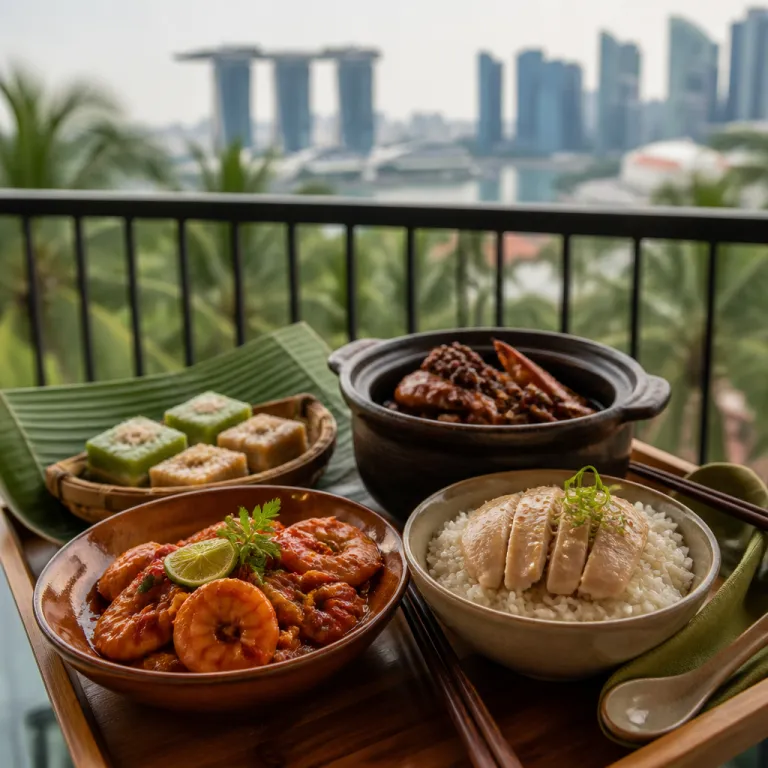
What to eat in Singapore from your hotel: hawker food, seafood and local favourites
Planning what to eat in Singapore from your hotel lobby
When you check in, your first quiet task should be planning what to eat in Singapore beyond the room service menu. From a hospitality perspective, the smartest travellers treat the hotel concierge as a culinary consultant who understands both nearby hawker food and the city’s best restaurants in different districts. In a city where Singapore food culture borders on obsession, using that expertise well can transform a simple stay into a memorable journey to eat Singapore like a local.
Ask the concierge to map options within 10 to 15 minutes on foot, then extend the circle to one or two MRT stops so you balance comfort with access to authentic hawker food. This is where you start hearing names such as chicken rice, char kway teow, hokkien mee, bak chor mee and nasi lemak, each dish reflecting a different strand of Chinese, Malay or Peranakan heritage in Singapore. Clarify what you personally want to eat, whether that is a light rice and fish dish after a long flight or a rich chili crab feast by the East Coast, and they can match you with the right food centre or waterfront restaurant.
Most central hotels keep printed cards with the address and open hours of nearby food centre options, which is invaluable when you are jet lagged and hungry. Use these cards to plan a simple progression of dishes over your stay, perhaps starting with a gentle kaya toast breakfast and ending with a bold fish head curry dinner. If you are tracking spend in SGD for a corporate trip, ask for a rough price range per dish so you can compare hawker food at 5 to 8 SGD with restaurant Singapore options that may run to several dozen SGD per person as of 2023, depending on venue and seafood choices.
Essential hawker food near major hotel districts
Singapore has more than one hundred hawker centre complexes, and many sit within a short walk of the main hotel clusters. Around Marina Bay and the civic district, for example, you can reach several large food centre sites such as Lau Pa Sat and Maxwell Food Centre, where stalls specialise in chicken rice, fried carrot cake, char kway teow and hokkien mee cooked to order. If you are staying near Orchard Road or the river, ask which hawker food centre combines the best mix of classic dishes, comfortable seating and convenient open hours for a late return from meetings.
At these centres, a plate of Hainanese chicken rice typically costs between 4 and 7 SGD, while a generous serving of fried kway teow or hokkien mee with prawns and squid may be slightly more, yet still far below hotel restaurant pricing. You will see signs for char kway teow, bak chor mee, nasi lemak and even bak kut teh, the peppery pork rib soup that many locals consider ideal after a long day in humid Singapore weather. When you are deciding what to eat in Singapore on a tight schedule, this concentration of stalls lets you sample three or four dishes in one sitting by sharing plates with colleagues or family.
Look for stalls with clear queues rather than empty counters, because in Singapore food culture a line is a reliable indicator of quality. If you are unsure what to eat, simply ask the hawker which dish they are best known for and whether the sauce can be made less spicy. Many hawker food vendors are used to hotel guests and will happily explain what is in each dish, from the type of rice used to the cut of fish or crab, so you can eat with confidence even on your first night.
Signature rice and noodle dishes every hotel guest should try
Any serious guide to what to eat in Singapore must start with rice and noodle classics that define everyday dining. Hainanese chicken rice is widely regarded as the national dish, pairing tender poached chicken with fragrant rice cooked in stock, plus chili sauce and ginger paste on the side. When you eat Singapore staples like this at a busy food centre rather than only in hotel restaurants, you experience the balance of clean flavours and subtle textures that locals prize.
Char kway teow is the smoky, fried flat rice noodle dish that many visitors fall for, especially when it is cooked over high heat with egg, Chinese sausage and fresh cockles. Nearby you will often find stalls selling hokkien mee, a wetter noodle dish braised in rich prawn and pork stock, and bak chor mee, a minced pork noodle bowl that can be served dry with a separate soup or as a comforting full broth. For travellers watching their budget in SGD, these noodle dishes usually sit in the 5 to 9 SGD range, making them an efficient way to sample multiple Singapore food icons during a short hotel stay.
Do not overlook nasi lemak, a coconut rice dish served with fried anchovies, peanuts, egg and a powerful sambal chili sauce that rewards those who enjoy heat. If you prefer something milder, ask for less sambal and focus on the fragrant rice and crisp fried elements, which pair well with a simple iced tea in the tropical climate. Between rice, noodles and lighter breakfast plates, you can structure each day around one key dish, then use hotel facilities such as pools and lounges to rest before heading out again to eat more dishes in another neighbourhood.
Seafood feasts from chili crab to fish head curry
For many travellers, the answer to what to eat in Singapore at least one night is clear, because chili crab has become a global symbol of the city’s seafood. This dish features whole crab stir fried in a thick tomato and chili sauce, eaten with deep fried buns that you use to mop up every last drop. It is messy, joyous and best enjoyed at a waterfront restaurant along the East Coast or at one of the best restaurants specialising in crab, such as Jumbo Seafood or Long Beach Seafood, so plan ahead from your hotel to secure a reservation.
Prices for chili crab vary widely, often charged per 100 grams of crab, so always ask for the estimated total in SGD before you confirm the order. Another dramatic option is fish head curry, where a large fish head is simmered in a fragrant curry with vegetables and served with plain rice, and many menus will list it as fish head curry or simply head curry. When you eat Singapore seafood like this, you are tasting a blend of South Indian and Chinese influences that reflects the multicultural roots of Singapore food traditions.
Some travellers hesitate at the idea of a whole fish head, yet the cheeks and collar offer some of the sweetest meat in any fish dish. If you are staying with colleagues who are less adventurous, consider ordering one fish head curry to share alongside safer dishes such as fried rice, grilled fish fillets or even chicken rice from the same restaurant. Whether you choose crab, fish or both, ask your concierge which restaurants in Singapore balance quality, transparent pricing and easy transport back to your hotel after a long, satisfying meal.
Breakfasts, late suppers and how hotel guests really eat Singapore
Hotel breakfasts in Singapore are often generous, but stepping outside for at least one local morning meal will deepen your sense of place. Kaya toast with soft boiled eggs and strong coffee is the classic start, and it is light enough that you can still plan a hawker food lunch of chicken rice or char kway teow without feeling overfull. Many cafés and kopitiam coffee shops publish their open hours clearly, so you can time a quick visit between early meetings or sightseeing from your central hotel base.
Late at night, when room service menus shrink, nearby food centre options become invaluable for a final dish before bed. This is when you might try bak kut teh, the peppery pork rib soup also known as bak kut, which locals swear by after a long shift or flight, or a simple plate of fried rice with egg and prawns. If you are wondering what to eat in Singapore after midnight, ask reception which hawker centre is safest and closest, then take only the cash in SGD you need for a couple of dishes and a drink.
Travellers who pace themselves enjoy more of what Singapore food culture offers, so think in terms of smaller plates across the day rather than one huge buffet. Share a bowl of hokkien mee here, split a nasi lemak there, then return to your hotel to rest before heading out again for crab or fish head curry. By alternating hotel comforts with short, focused forays to eat Singapore favourites, you build a rhythm that suits both business schedules and leisure stays.
Choosing restaurants Singapore side for comfort, context and value
Not every meal during a hotel stay needs to be at a hawker centre, and many visitors sensibly mix casual stalls with full service venues. When you are deciding what to eat in Singapore for a client dinner or special occasion, look for restaurants Singapore side that specialise in one or two signature dishes rather than offering an unfocused list. A place known for chili crab, fish head curry or refined versions of chicken rice and char kway teow will usually deliver better results than a menu that tries to cover every possible dish.
Hotel concierges maintain up to date shortlists of the best restaurants for different budgets, cuisines and neighbourhoods, including options along the East Coast where sea breezes soften the humidity. Ask specifically which restaurants Singapore based chefs themselves favour for hokkien mee, bak chor mee, nasi lemak or innovative takes on classic Singapore food, then cross check the address and open hours before you book. For mid range venues, expect to spend from 30 to 80 SGD per person depending on how much crab, fish and wine you order, while top tier restaurants can climb significantly higher.
One practical approach is to anchor your stay with two or three planned restaurant nights, then leave other meals flexible for hawker food exploration. This way you enjoy the comfort of air conditioned dining rooms and attentive service without missing the energy of a busy food centre where locals queue for their favourite fried noodle dish. Whether you are in town for business or leisure, this balance ensures you experience the full spectrum of what to eat in Singapore, from humble rice bowls to elaborate seafood feasts.
Key figures that shape your Singapore food journey
- Singapore hosts 114 licensed hawker centre complexes across the island, according to the National Environment Agency (NEA, 2022 data), giving hotel guests dense access to affordable dishes within a short ride of most districts.
- The Singapore Tourism Board (STB, 2019 statistics) reports around 19,000,000 annual visitors, which means popular food centre sites and the best restaurants can become crowded at peak hours, so planning your meal times from the hotel is essential.
- A typical hawker food meal of chicken rice or char kway teow costs roughly 4 to 9 SGD as of 2023, while seafood dishes such as chili crab or fish head curry in full service restaurants Singapore side can reach several dozen SGD per person.
- Many travellers find that allocating about 40 to 80 SGD per day for food allows a mix of hawker dishes, café breakfasts and at least one sit down dinner during a short hotel stay in central Singapore.
FAQ about what to eat in Singapore during a hotel stay
What is considered the national dish of Singapore ?
Hainanese chicken rice is often considered Singapore's national dish, and you will find it in almost every food centre and many hotel cafés. The combination of tender chicken, fragrant rice and bright chili sauce makes it an ideal first meal when you arrive. Many travellers try several versions during one stay to compare subtle differences in flavour and texture.
Where should I go from my hotel for authentic hawker food ?
Hawker centres and local eateries offer authentic Singaporean cuisine, and most major hotel districts have at least one large food centre within a short taxi or MRT ride. Ask your concierge for the nearest options with reliable open hours and clear signage in English. They can mark the address on a map and suggest which stalls serve standout char kway teow, hokkien mee or nasi lemak.
Are Singaporean dishes usually very spicy ?
Many dishes have spicy elements, but spice levels vary and can often be adjusted, especially in hawker food stalls used to serving visitors. If you are unsure what you can handle, start with milder dishes such as chicken rice, fried rice or bak kut teh, then add chili sauce gradually. Restaurant staff and hawkers alike are accustomed to such requests and will guide you honestly.
How much should I budget in SGD per day for food ?
If you focus on hawker food and casual cafés, 30 to 50 SGD per day can cover three satisfying meals, including rice and noodle dishes plus drinks. Adding one or two seafood dinners with chili crab or fish head curry in the best restaurants will raise that average, so plan extra for those nights. Business travellers often separate hotel dining and entertainment expenses, so clarify your policy before charging meals to the room.
What should I prioritise if I only have two days in Singapore ?
With a short hotel stay, aim to try at least chicken rice, char kway teow, hokkien mee, nasi lemak and one major seafood dish such as chili crab or fish head curry. Use your first evening for a hawker centre visit near your hotel, then book a restaurant Singapore side for the second night along the river or East Coast. This combination gives you both the energy of street level dining and the comfort of a seated, unhurried meal.
References
- National Environment Agency (2022), data on the number of hawker centres in Singapore.
- Singapore Tourism Board (2019), statistics on annual visitors and spending patterns.
- Singapore government food safety and hawker centre regulations, for context on hygiene standards.